
Do You Really Need Supplements? A Beginner’s Guide
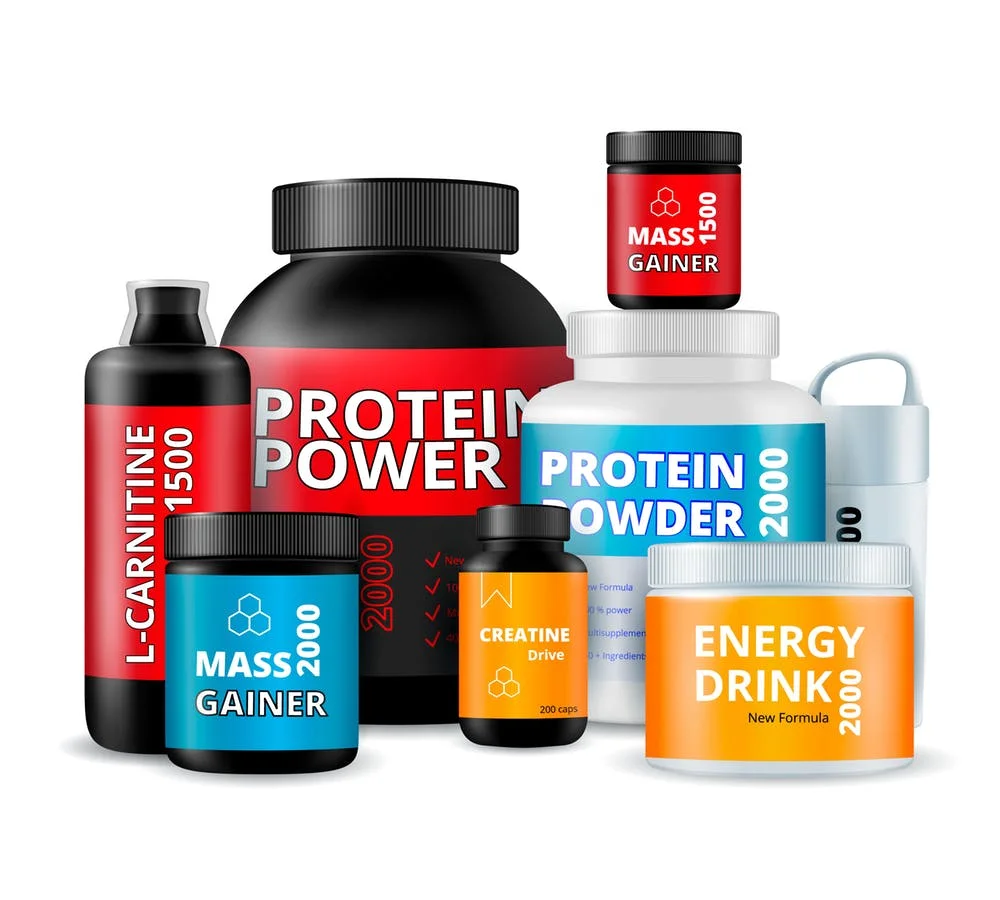
Walk into any gym or scroll through fitness social media, and you’ll see endless talk about supplements. Protein powders, creatine, pre-workouts, vitamins — the list goes on. But do you really need them? Let’s break it down.
What Are Supplements?
Supplements are products designed to “supplement” your diet. They come in powders, capsules, or liquids and provide nutrients that may be hard to get enough of through food alone.
Common examples include:
Protein powder (whey, casein, plant-based)
Creatine
BCAAs (Branched-Chain Amino Acids)
Multivitamins
Pre-workout formulas
Omega-3 fish oil
Benefits of Supplements
Convenience
Supplements make it easier to hit nutrition goals, especially for busy people. For example, a protein shake is quicker than cooking chicken after a workout.Performance Boost
Certain supplements like creatine and caffeine can directly improve strength, endurance, and energy.Nutrient Support
Vitamins and minerals help fill nutritional gaps if your diet isn’t always balanced.
Do You Actually Need Them?
The truth: Supplements are not magic. They only work if your diet and training are already solid. Think of them as the “icing on the cake” — not the foundation.
For most people, focusing on whole foods first (lean protein, vegetables, fruits, whole grains, healthy fats) is more important than spending money on supplements.
Best Supplements for Beginners
If you want to try supplements, here are the safest and most researched options:
Protein Powder
Helps reach daily protein goals
Supports muscle growth and recovery
Best taken post-workout or as a meal replacement
Creatine Monohydrate
Increases strength and power
Enhances muscle endurance
Safe and effective with consistent use
Multivitamins
Fill small nutrient gaps
Useful if your diet lacks variety
Omega-3 (Fish Oil)
Supports heart, brain, and joint health
Especially useful if you don’t eat fish regularly
Caffeine (Pre-workout or Coffee)
Boosts focus and energy
Improves endurance during workouts
Supplements to Be Cautious About
Fat burners – usually ineffective and packed with stimulants
Detox teas/cleanses – more marketing than science
Overhyped blends – expensive but not necessarily better
Final Thoughts
Supplements can help, but they won’t replace a healthy diet, quality sleep, and consistent training. If your food and workout routine are on point, adding protein powder or creatine can give you an edge.
Remember: before starting any supplement, check with a healthcare professional, especially if you have medical conditions.
At the end of the day, supplements are tools — not shortcuts. Use them wisely, and they can support your journey toward better fitness and health.